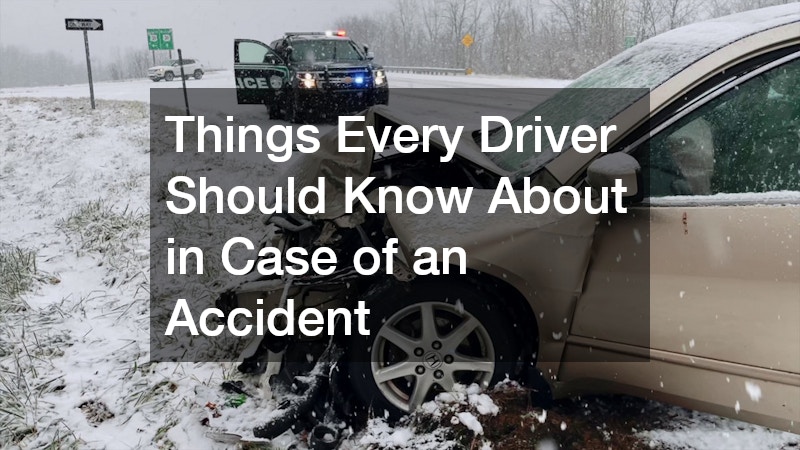
Being a responsible driver means being prepared for all possible scenarios on the road, and this includes knowing what to do in case of an accident. Having a comprehensive understanding can make all the difference—not only in ensuring personal safety but also in effectively managing the aftermath. Whether it’s knowing the ins and outs of post-crash fixes, promptly checking fluid levels, or understanding the importance of seeking legal help at the right time, preparation is key. Each element, from car repair to engine diagnostics, influences the outcome after an accident, underscoring the importance of being informed. This article delves into various aspects of automobile maintenance and accident management, offering guidance designed to empower drivers with the knowledge they need in critical situations.
Post-Crash Fixes
After an accident, one of the primary concerns for any driver is car repair. Understanding the steps involved in post-crash fixes is crucial for ensuring your vehicle is safe to drive. Immediately assessing the visible damage helps determine the severity and decide on the next steps. Drivers should be aware that even minor accidents can cause significant underlying issues that require professional attention.
Specific actions should be taken to mitigate further damage. For example, documentation of the accident scene through photographs and notes can be invaluable. This documentation not only helps with insurance claims but also guides the car repair process by providing details of the damages sustained. Furthermore, engaging a reliable repair shop as soon as possible ensures that repairs are done correctly and using the appropriate parts.
In some cases, dealing with insurance companies can be complicated, and having a clear record of the accident and damage can facilitate smoother car repair claims. Drivers should also familiarize themselves with their insurance policy terms related to repairs and possible out-of-pocket expenses. Having this information can expedite the process of returning your vehicle to its pre-accident condition.
Fluid Checks Matter
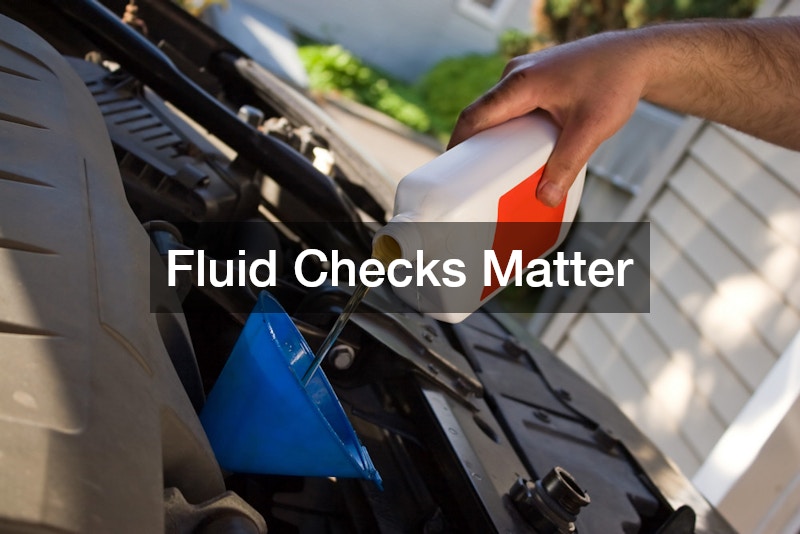
Keeping an eye on fluid levels is a basic yet crucial part of vehicle maintenance, especially after an accident. Fluid checks, including brake fluid, coolant, and oil change, ensure the car operates smoothly and can prevent further damage. It’s essential to assess these fluids promptly to confirm there hasn’t been a leak or contamination caused by the impact.
Fluctuations in fluid levels after an accident might indicate hidden leaks or other issues. For instance, a sudden need for an oil change shortly after a crash could signal an undetected problem. Regularly checking these levels and making necessary adjustments will maintain the vehicle’s performance and longevity.
Implementing a routine schedule for comprehensive fluid checks is beneficial in the long run. This includes timely oil changes, ensuring the cooling system is properly filled and free of air pockets, and checking brake fluid to ensure optimal stopping power. Preventative care, such as fluid checks, is a vital component of post-accident vehicle maintenance.
Legal Help Timing
Understanding when to seek legal help can deeply impact the resolution of an accident. The services of an accident attorney can be pivotal in navigating the complexities of insurance claims and potential lawsuits. It’s important to consider hiring an attorney promptly to protect your interests and ensure any compensation due is rightly claimed.
A timely consultation with an accident attorney helps clarify legal responsibilities and possible compensations. This early engagement provides clarity regarding the settlement process and can prevent being shortchanged by insurers. Legal professionals can also assist in accumulating necessary documentation that strengthens the case.
While minor accidents might seem manageable without legal intervention, the financial implications can be deceptive. Legal assistance helps in not only understanding your rights and obligations but also in strategizing the best pathway forward. Drivers are encouraged to at least consult with an attorney following any accident to assess the need for further action.
Window Damage Issues
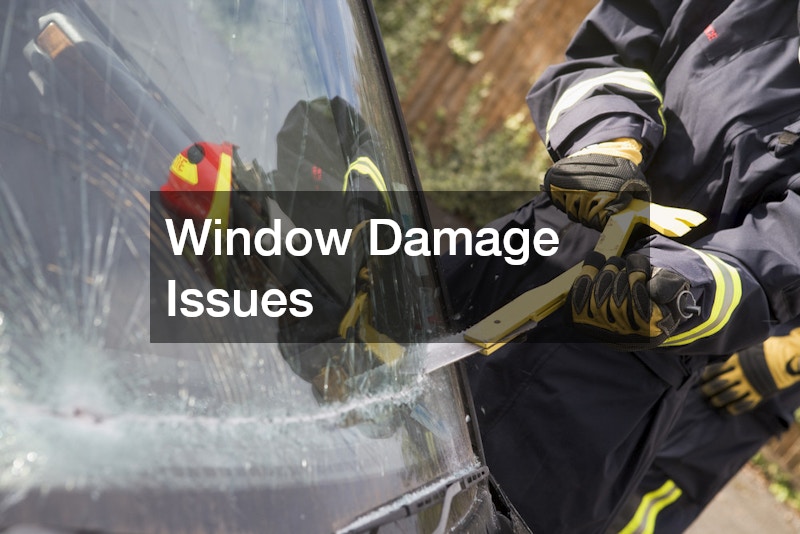
The aftermath of an accident often involves dealing with window damage, which is not just a cosmetic issue but a safety concern. Auto tinting can sometimes conceal cracks or damages, which necessitates thorough inspection post-accident. It’s crucial to address any window damage promptly to ensure it doesn’t worsen.
Specific window damage issues, such as chips or cracks, might require immediate intervention. Any compromise in the integrity of auto glass poses a risk to the vehicle’s structural security and can obstruct the driver’s view. Repair or replacement should be prioritized to maintain safety standards.
Auto tinting not only serves aesthetic purposes but also plays a role in UV protection. Post-accident, it’s important to ensure that any damage to the tint doesn’t affect this protective feature. Carefully choosing quality repair services ensures that both window integrity and tint effectiveness are restored.
Powertrain Warning Signs
The powertrain of a vehicle is a complex system that can be affected in the event of an accident. Recognizing powertrain warning signs is crucial for timely engine repair and avoiding severe damages that compromise vehicle functionality. Drivers should stay alert for unusual sounds or changes in performance immediately after an accident.
Some specific warning signs may include uneven power delivery, unusual noises, or noticeable vibrations. Such indicators should not be ignored, as they often point to underlying engine repair needs. Accurate diagnostics and prompt interventions can prevent further impact on the powertrain components.
Continuing to drive with unresolved powertrain issues can lead to extensive damage and costly repairs. Regular inspections and maintenance checks become especially critical after accidents to quickly identify and address these concerns. In this way, engine health is preserved, and road safety is maintained.
Stopping Power Risks
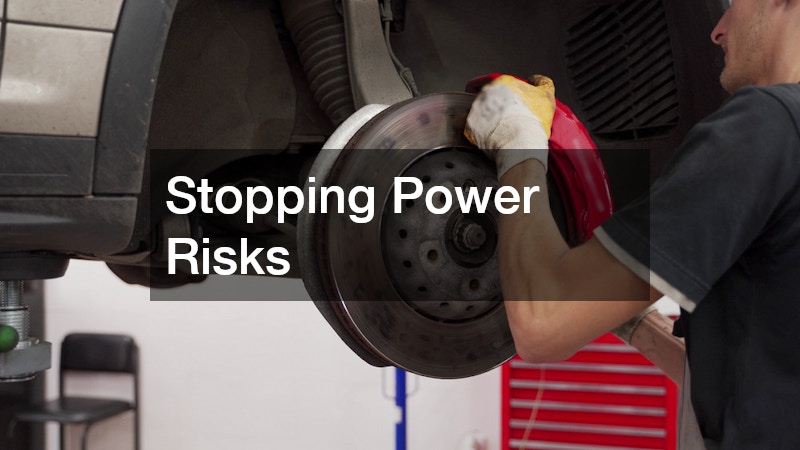
Brake systems are critical to vehicle safety, and issues here should be a top priority following an accident. Auto brake repair is essential whenever there is an indication of reduced stopping power. Drivers must pay attention to changes in brake sensitivity post-accident to prevent potential hazards.
Some specific signs that may resonate include changes in pedal feel, noises when braking, or a marked difference in braking effectiveness. These symptoms can signal the need for an immediate auto brake repair to ensure that stopping power is not compromised. Regular checks prevent further issues from developing.
Maintaining the brake system in optimal condition is non-negotiable for any responsible driver. This means not only seeking immediate repairs when necessary but also adhering to a regular maintenance schedule. Doing so ensures that the auto brake repair remains effective and minimizes the risks associated with compromised braking systems.
Finding Hidden Damage
Accidents often result in damage that isn’t immediately visible. Identifying hidden damage is a crucial part of car diagnostics that ensures all issues are addressed swiftly. By relying on professional diagnostics, drivers can uncover otherwise overlooked damages that have significant implications for the vehicle.
Specific methods in car diagnostics include scanning the vehicle for error codes and performing thorough inspections. Technologies such as diagnostic scanners offer insights into unseen issues and provide data critical for complete repairs. Such comprehensive efforts are necessary to guarantee no aspect of the damage goes untreated.
Regular car diagnostics not only following an accident but as part of routine maintenance is a sound practice. It ensures the vehicle remains in optimum working order and safeguards against potential failures. Investing in these insights can prevent costly repairs and surprise breakdowns in the future.
Body Damage Solutions
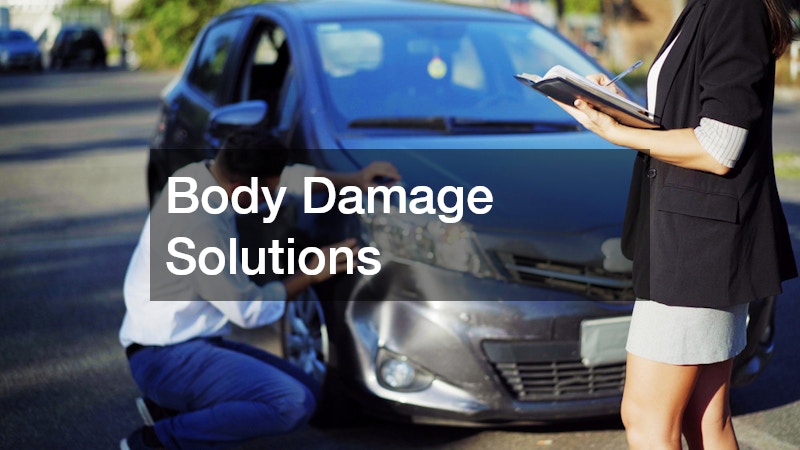
Once external damages are identified, implementing proper body damage solutions is essential. Auto collision repairs are necessary for both cosmetic and structural damages caused by accidents. The aim is to restore the vehicle to its pre-incident aesthetics and functionality.
For specific damages such as dents, scratches, or frame issues, seeking professional auto collision repairs is invaluable. Skilled technicians can restore the body’s integrity while ensuring proper alignment and refitting. This enhances the vehicle’s safety and maintains its market value.
The choice of repair facility plays a significant role in outcomes. Opting for certified repair shops guarantees that auto collision repairs are conducted using high-quality materials and following industry standards. Such diligence ensures long-lasting repairs and peace of mind for the driver.
Beyond appearance, properly addressed exterior damage supports overall vehicle performance. Panels that are misaligned or improperly secured can create wind noise, reduce efficiency, and allow moisture intrusion over time. Thorough restoration also helps preserve protective coatings and paint finishes that shield metal surfaces from corrosion. Addressing these concerns promptly ensures the vehicle remains reliable, visually appealing, and structurally sound well into the future.
Cracked Glass Dangers
Glass components, particularly windshields, can suffer significant damage in an accident. Understanding the dangers associated with cracked glass underscores the importance of windshield replacement. Timely action is critical to prevent visibility issues and ensure vehicle safety.
Specific concerns related to windshield damage include obstructed vision, a weakened structural frame, and potential shattering. Immediate assessment and, if necessary, windshield replacement mitigate these risks. Professional services ensure installations meet safety standards and maintain clear sightlines.
Drivers should recognize that even small chips can escalate into severe issues if left unaddressed. Prompt action protects vehicle integrity and maintains safety features designed to protect passengers. Regular inspections post-accident ensure no damage goes unnoticed.
Beyond visibility concerns, compromised glass can interfere with advanced safety systems that rely on clear and properly positioned windshields. Features such as driver-assistance sensors may not function correctly if the glass is damaged or improperly secured. Temperature changes, road vibrations, and moisture can further worsen cracks over time. Addressing glass damage early supports overall vehicle stability, preserves safety technology, and helps drivers maintain confidence in everyday driving conditions.
Steering Feels Off
When it comes to steering, ensuring accuracy and response is essential, especially after an accident. Identifying when the steering feels off is vital for determining the need for a wheel alignment. Proper alignment guarantees smooth handling and enhances driver control.
Signs of misalignment include the vehicle pulling to one side, uneven tire wear, and a crooked steering wheel. Such issues necessitate immediate wheel alignment to restore driving safety and minimize tire wear. Addressing this promptly also improves fuel efficiency and rides comfortably.
Regular inspections and maintenance can assist in catching alignment issues before they become problematic. Using professional wheel alignment services assures precision and restores vehicle handling capabilities. This proactive approach contributes to a safe and responsive driving experience.
In addition, ignoring steering irregularities can place added stress on suspension components and steering systems over time. This strain may lead to more costly repairs if left unresolved. Drivers should also remain attentive to vibrations, reduced cornering stability, or resistance when turning, as these symptoms often indicate deeper concerns. Addressing steering-related issues early helps maintain consistent vehicle performance and ensures predictable handling in emergency situations, reinforcing overall road safety and driving confidence.
The knowledge drivers possess can significantly impact their ability to effectively manage an accident’s aftermath. From understanding the essentials of car repair and maintenance like oil changes to seeking timely legal help with an accident attorney, being informed can streamline resolution processes. Every aspect, from ensuring defined auto brake repair protocols are followed to addressing hidden damages through car diagnostics, is imperative for safety and efficiency. Furthermore, handling issues such as auto tinting damage, engine repair, and auto collision repairs promptly can greatly reduce long-term complications. Whether it involves windshield replacement or wheel alignment, each step contributes to restoring vehicle function and aesthetics. Remaining vigilant and informed ensures that drivers are prepared to handle an accident scenario competently, providing peace of mind and promoting automotive longevity.
In addition to restoring a vehicle, being proactive after an accident helps drivers regain confidence behind the wheel. Knowing what signs to watch for and which actions to prioritize reduces uncertainty during an already stressful time. It also supports better communication with repair professionals, insurers, and legal representatives, allowing drivers to make decisions based on clarity rather than urgency. Accidents are rarely predictable, but preparation and awareness can significantly influence the outcome. By understanding how mechanical systems, safety features, and administrative steps intersect after a collision, drivers place themselves in a stronger position to recover fully. Ultimately, this knowledge not only protects personal investments but also contributes to safer roads for everyone. Being informed is not just about fixing what was damaged—it is about restoring trust in the vehicle and ensuring a smoother path forward after an unexpected event.